EN
Home/Projects/BC 50 after 25 years of operation – complete technology renewal and a fresh start
Projects

THERE'S A STORY BEHIND EVERY PROJECT

BC 50 after 25 years of operation – complete technology renewal and a fresh start

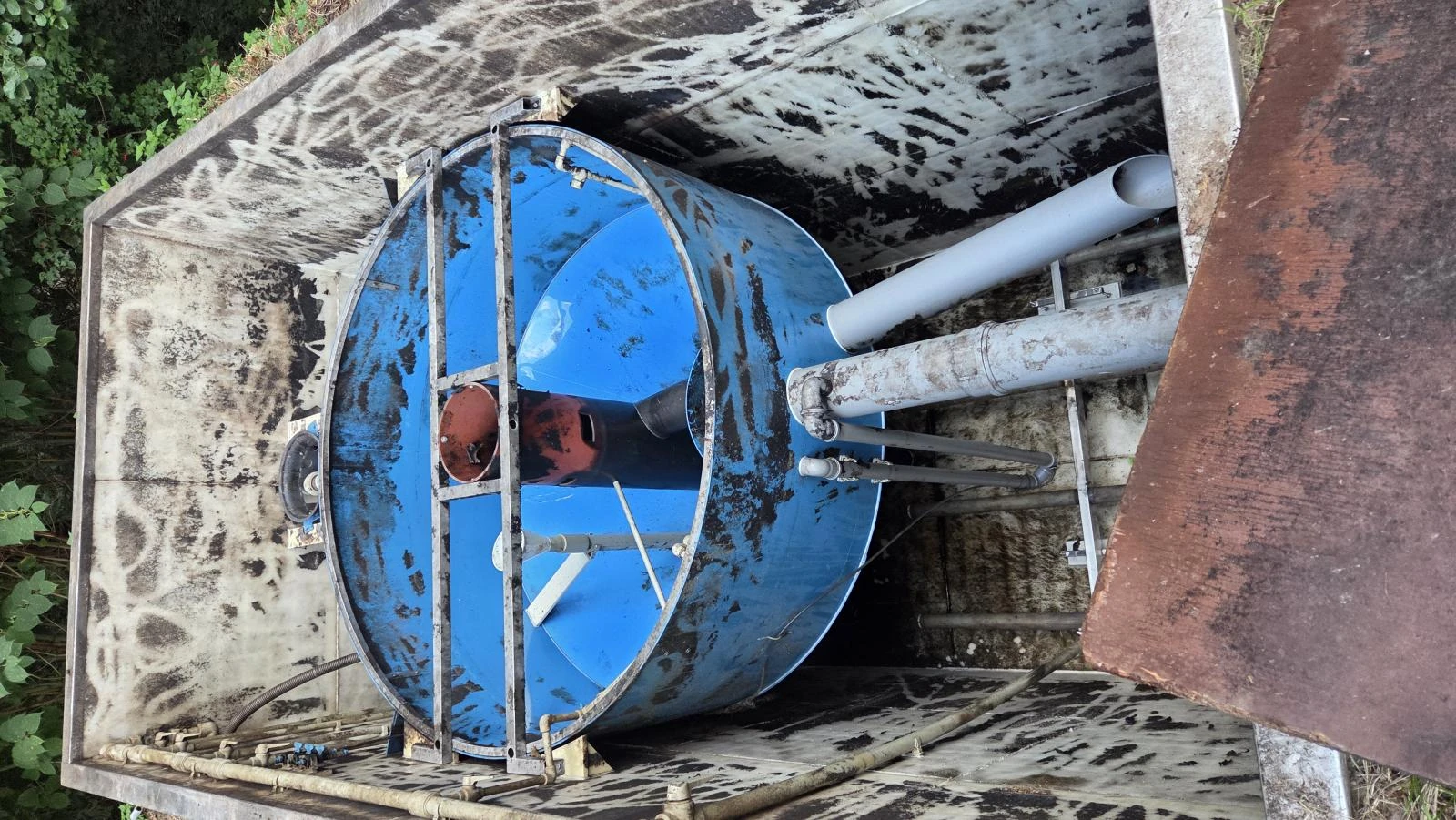
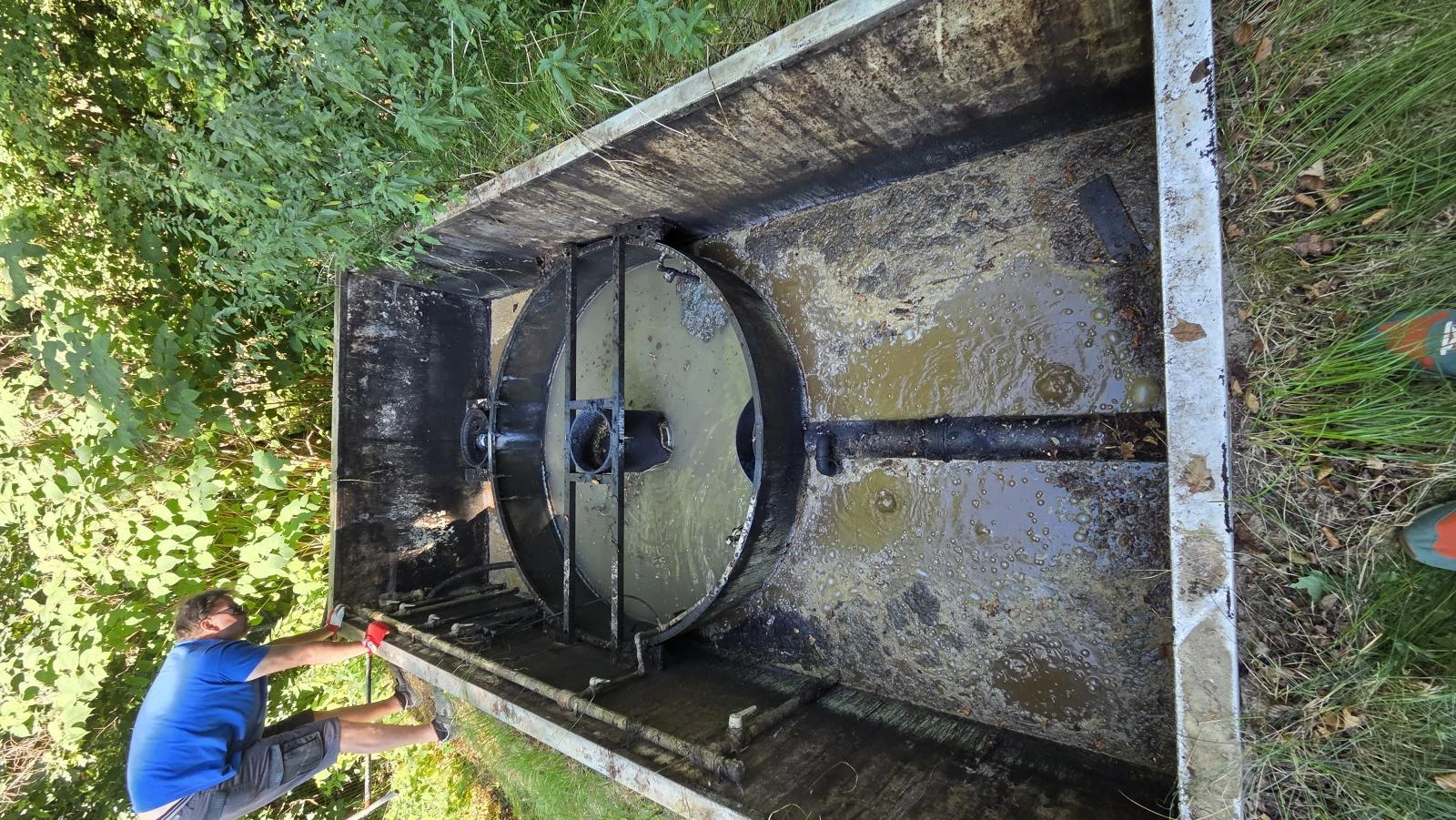
At the outset there was a BC 50 wastewater treatment plant, roughly 25 years old, whose technical condition no longer allowed proper operation. The individual process functions were not operational and the equipment…

WWTP refurbishment and capacity upgrades09 / 2026
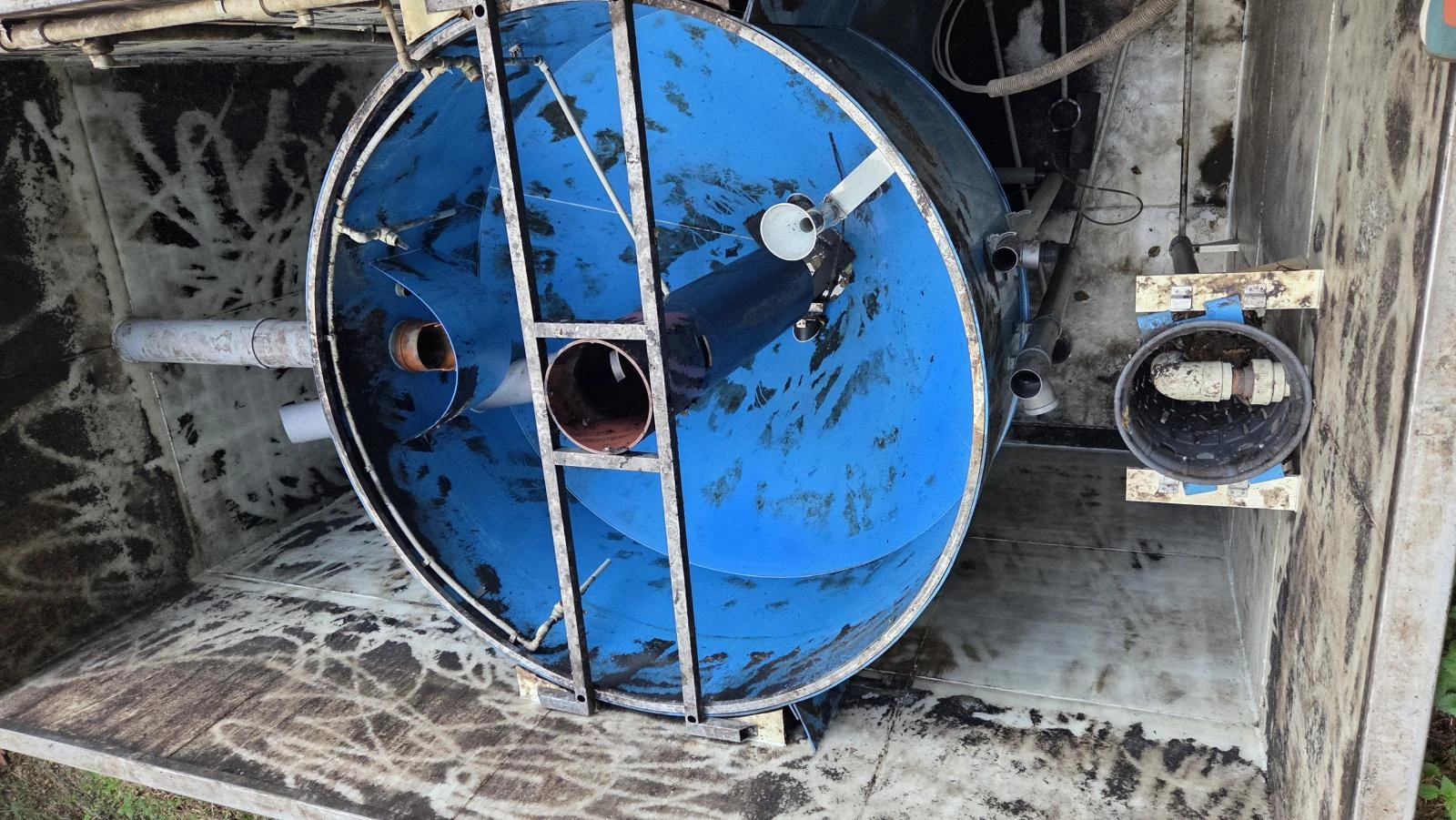
Project photo: BC 50 after 25 years of operation – complete technology renewal and a fresh start View the images
Project photo

THE PROJECT IN A NUTSHELL

A specific place.
A specific solution.

Solution area
WWTP refurbishment and capacity upgrades
Project period
09 / 2026
Technology
BC 50, COMFORT control unit and FPZ 20 blower
Scope of work
Renewal of the process and electrical equipment, functional tests, commissioning and operator training.

HOW IT WENT

From the brief
to the finished solution.

Read the full story of the project, the technology used and the individual steps.

Original reference
Prefer to talk it all through in person?+420 736 403 795
01At the outset there was a BC 50 wastewater treatment plant, roughly 25 years old, whose technical condition no longer…

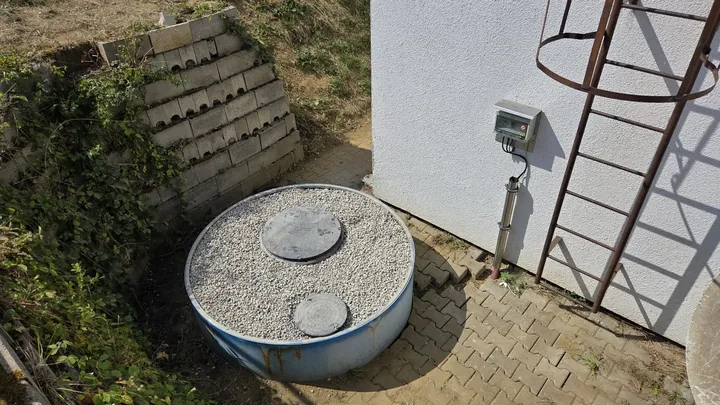
At the outset there was a BC 50 wastewater treatment plant, roughly 25 years old, whose technical condition no longer allowed proper operation. The individual process functions were not operational and the equipment required extensive work.

Instead of replacing the whole plant, we decided to make use of the existing structure and carry out a comprehensive refurbishment of the process equipment.

02From a non-functioning WWTP back to full operation

From a non-functioning WWTP back to full operation

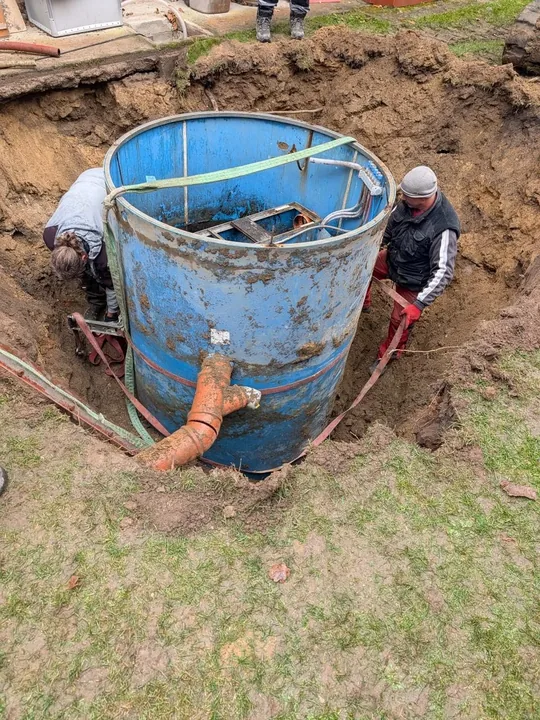
The first step was to dismantle the original process equipment, including the associated electrical parts. This was followed by thorough cleaning of the process components and pipework and an inspection of the actual condition of the equipment.

During the refurbishment we then carried out, in particular:

  • dismantling of the original process and electrical parts,
  • cleaning of the process components and pipework,
  • inspection and, where needed, replacement of pipe sockets, connectors and seals,
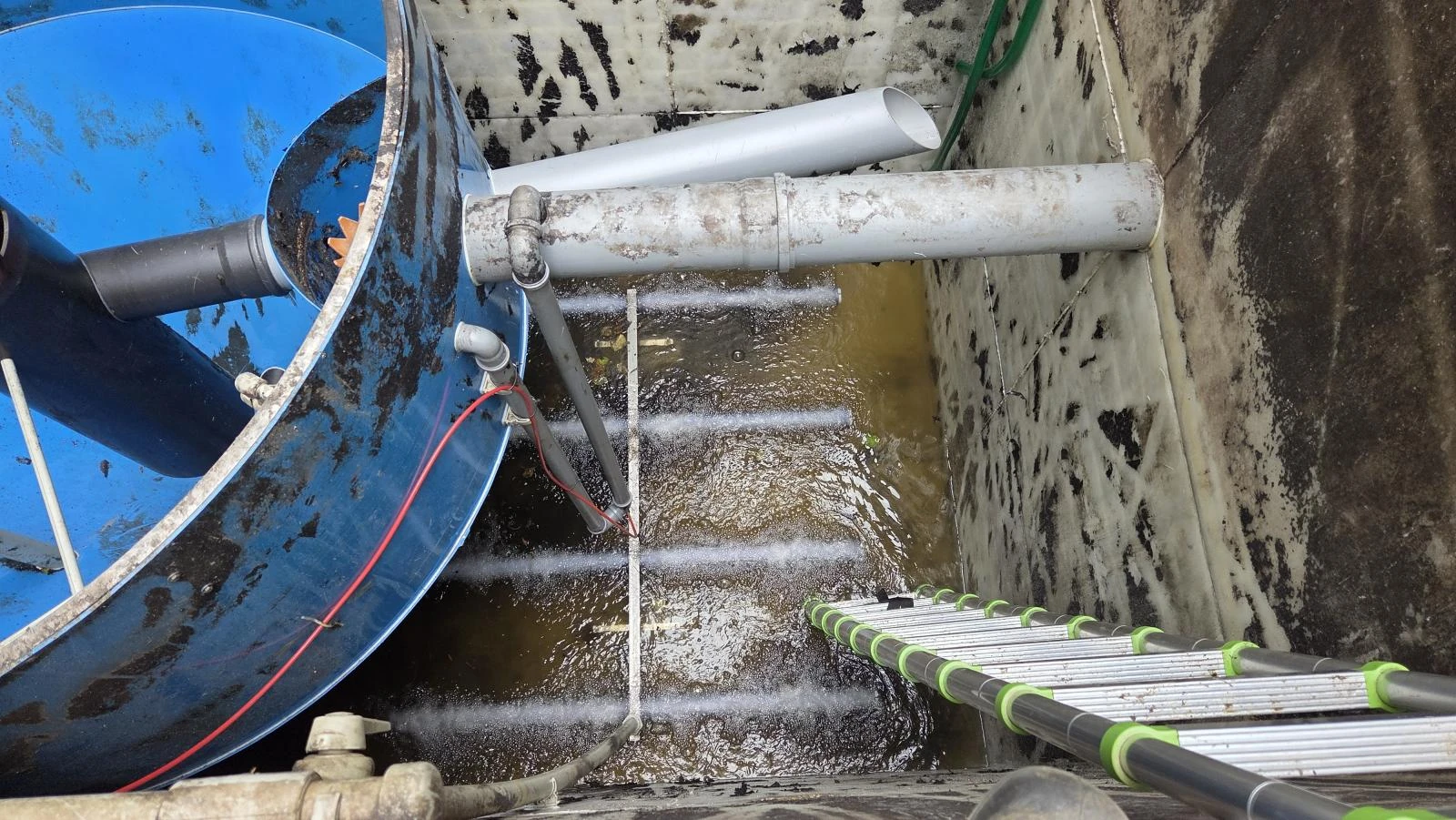
  • replacement of the aeration elements, including seals,
  • cleaning of the inlet pressure pipe,
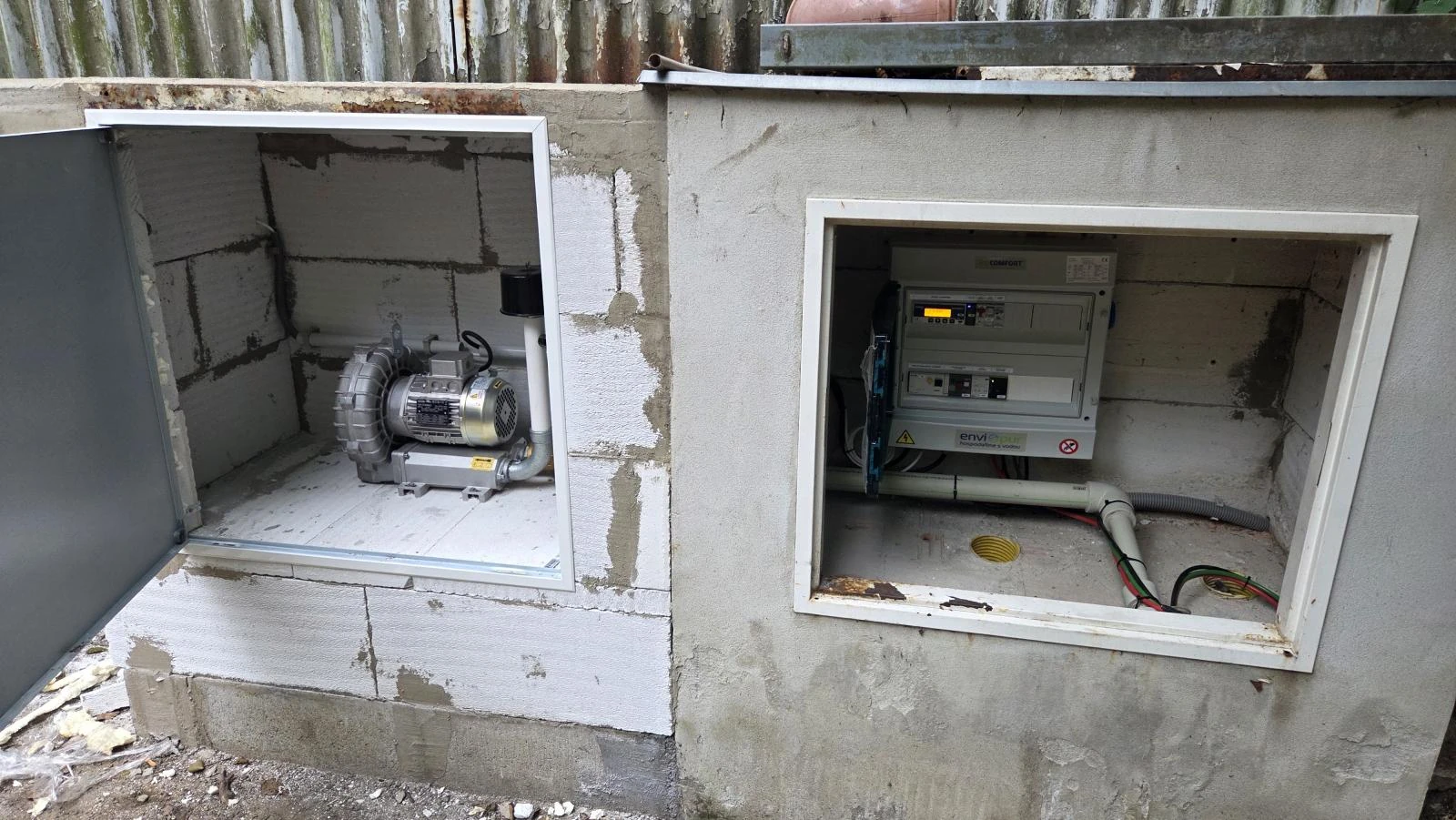
  • installation of new air pipework,
  • installation of a new electrical switchboard with a COMFORT control unit,
  • installation of a new FPZ 20 blower,
  • setting of the individual operating cycles,
  • complete commissioning of the technology and operator training.
03The scope of the process work is taken from the project's handover report.

The scope of the process work is taken from the project's handover report.

04Installing the technology isn't enough. It also has to work properly.

Installing the technology isn't enough. It also has to work properly.

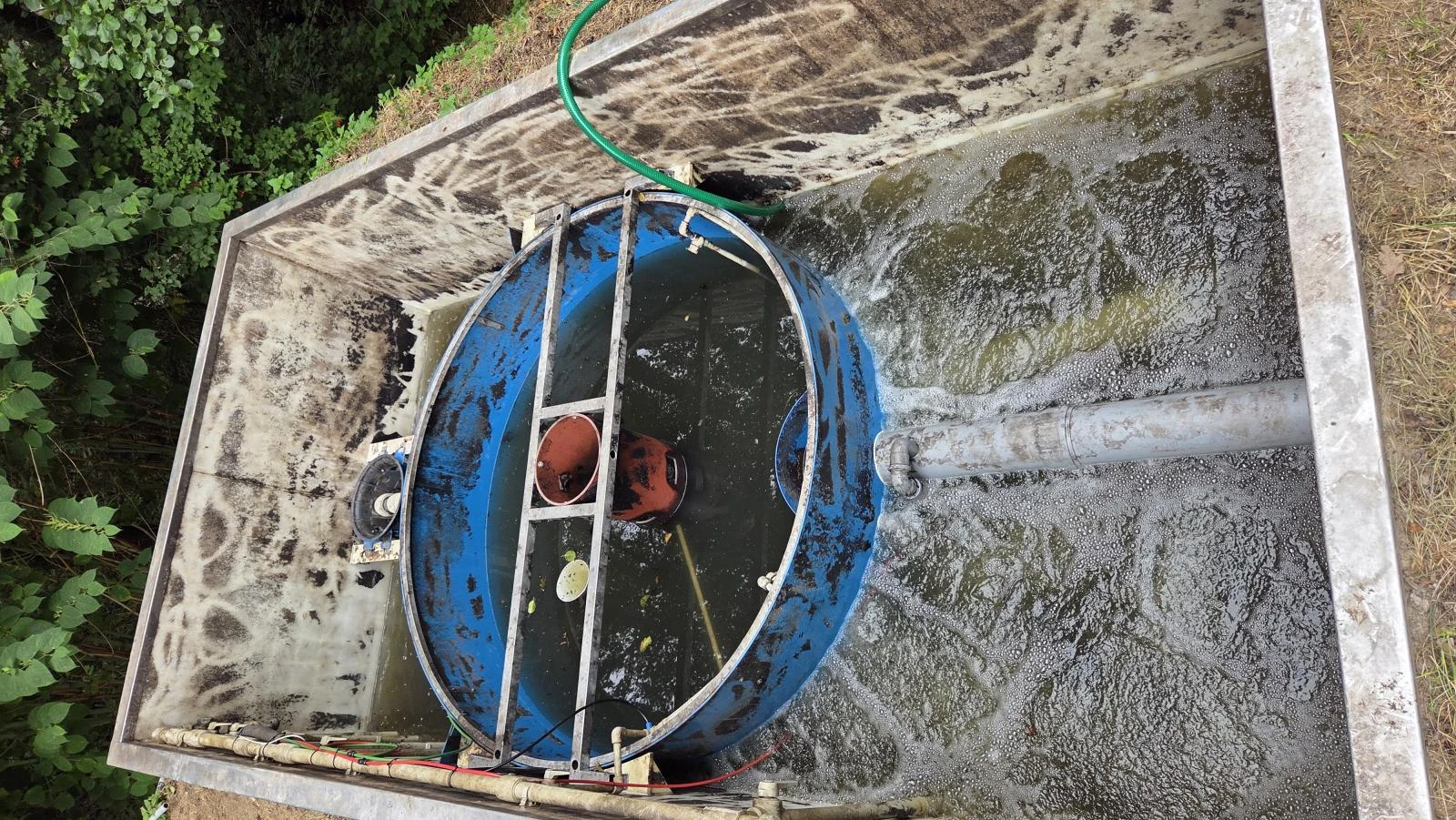
Once the refurbishment was complete, we tested the individual process functions one by one.

We checked the aeration of the activation section, the pumping, the skimming of floating debris, the aeration of the final settling section, the control system, the running of the blower and the operating cycles as set. Once the functional tests were complete, the WWTP was put back into operation.

But our work doesn't end there.

After the refurbishment of the mechanical and process parts, the next important step is to restore the biological process. To get it started faster, seeding the activation section with activated sludge from a working municipal WWTP was recommended, followed by monitoring of how the biological process develops.

05Next step: modernisation and more economical operation

Next step: modernisation and more economical operation

At the design stage we already prepared the refurbishment for further modernisation.

In the next stage we plan to renew the cover of the process section and install an oxygen probe for continuous measurement of the dissolved oxygen concentration in the plant's activation section. The option of controlling the blower according to the actual needs of the process is also included in the recommendations made after the refurbishment.

Instead of running the blower only on fixed time cycles, it will then be possible to match aeration more closely to the actual conditions in the biological process. The aim is to give the microorganisms the oxygen they need while cutting unnecessary blower running time and, with it, electricity consumption.

06An older WWTP doesn't automatically mean a new WWTP

An older WWTP doesn't automatically mean a new WWTP

This project is another example showing that even a wastewater treatment plant around 25 years old need not automatically be destined for scrapping.

If its basic structure is in usable condition, keeping it and modernising the process equipment can be the more attractive option both technically and economically.

The result can be a plant that combines the original robust structure with new aeration elements, air pipework, a modern electrical switchboard, a control unit and a new blower.

07And these are exactly the refurbishments we want to focus on – first establishing the actual condition of the equipment and only…

And these are exactly the refurbishments we want to focus on – first establishing the actual condition of the equipment and only then deciding whether the whole WWTP needs replacing or whether refurbishing it makes more sense.

08Do you have an older WWTP that no longer works as it should?

Do you have an older WWTP that no longer works as it should?

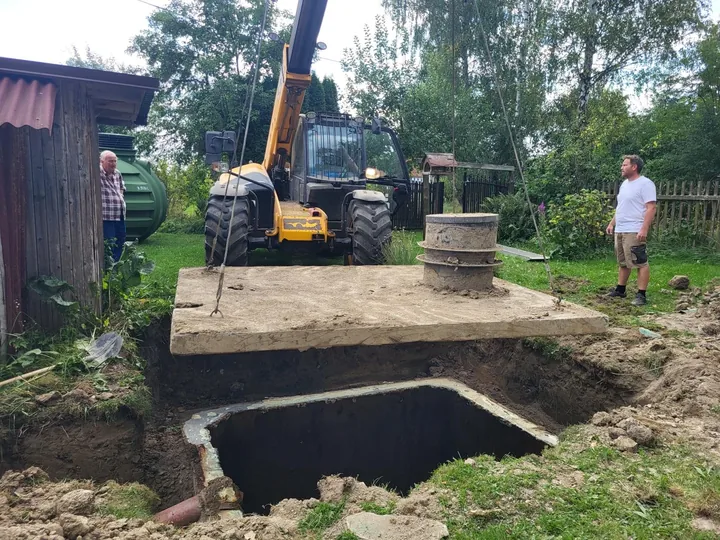
You don't always have to start with an excavation and the purchase of a new plant.

We can assess the technical and process condition of an existing WWTP, propose the scope of repair or modernisation and, where the equipment's technical condition allows, put it back into operation.

Čistá řešení – it's not enough for a treatment plant just to run. What matters is that it treats the water properly.


NOW IT'S YOUR PROJECT'S TURN

A similar situation?
We'll find your way forward.

Tell us a little about the site and what you have in mind. We'll discuss the next steps together.